On this page
The legal availability of alcohol is generally accepted to be one of the main controls on levels of alcohol consumption and harm. Licensing systems are therefore a key component of an overall alcohol control policy.
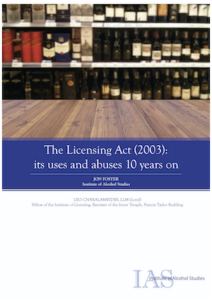
Licensing laws control where, when, and to whom alcohol can be sold or supplied.
Restricting the physical and temporal (time-based) availability of retailed alcohol (via reducing the number of outlets and reducing hours of sale) are among the World Health Organization’s ‘Best Buy’ interventions for reducing the prevalence of Non-Communicable Diseases (NCDs).
England and Wales have one of the most permissive licensing systems in the world – with more 24-hour premises than comparable high-income countries. Within the system it is assumed that applications will be approved unless representations, based strictly on the licensing objectives, are lodged. As set out in the Licensing Act 2003, these objectives are:
- the prevention of crime and disorder
- public safety
- the prevention of public nuisance and
- the protection of children from harm.
Scotland is governed by a different Licensing Act (Licensing (Scotland) Act 2005), which includes a fifth licensing objective on ‘protecting and improving public health’.
The following questions and briefings provide information on the licensing regulations in the UK and trends in the number of licensed premises. There is also information about the impact of licensing and availability regulations on public health and the night time economy.
Facts and stats
- Controlling the availability of alcohol is one of the most effective and cost-effective ways to reduce alcohol harm, according to the World Health Organization.
- The average English postcode has 31 outlets selling alcohol within walking distance (1km) of its centre. (Angus et al, 2017)
- In England, alcohol outlet density increases with increasing neighbourhood deprivation.
- A national study of all 32,482 neighbourhoods in England found that areas with the highest densities of pubs, bars, and nightclubs had 13% higher admissions for acute alcohol-attributable conditions and 22% higher admissions for chronic conditions compared with areas with the lowest densities (Angus et al, 2018).
- Licensed restaurants had 9% higher acute and 9% higher chronic admissions, other on-trade outlets 12% higher acute and 19% higher chronic, and convenience stores 10% higher acute and 7% higher chronic, highlighting a strong link between alcohol outlet density and hospital harms.
- Off-trade premises – such as supermarkets and off-licenses – are also a key driver of harm. On-trade closures during the COVID-19 pandemic saw the proportion of violent incidents recorded as alcohol-related fall only subtly (3 percentage points in months of closure) and did not lead to a significant difference in the proportion of domestic violence that was recorded as alcohol-related (Lightowlers and Bryant, 2025).
- The most deprived 20% of postcodes have around 3 times as many outlets selling alcohol within walking distance of their centre as the least deprived 20%.
- In Scotland, alcohol-related hospital admissions and deaths correlate with the density of licensed premises. (AFS, 2018)
- In Scotland, around one in six ambulance call-outs are alcohol-related, with frontline staff reporting increased aggression, stress, and strain on services, highlighting the wider societal impact of alcohol availability (Uny et al, 2025).
- There are 224,100 licensed premises in England and Wales (Home Office, 2024).
- The number of premises has increased 14% from 2007/08 to 2023/24.
- In England and Wales, 69% of licensed premises are licensed to sell alcohol for on-premises consumption.
- There are 132,000 premises that have a license for either just on-sales or both on- and off-sales of alcohol (Home Office).
- These premises have increased in number by 13% since 2008/09.
- This has mostly been driven by an increase in the number of restaurants.
How many on-trade premises are there in England & Wales? by The Institute of Alcohol Studies
- On-trade premises include pubs, bars, restaurants, cafes, and hotel bars, among others.
What type of on-sales premises are there? by The Institute of Alcohol Studies
- The number of pubs has been consistently falling for decades, dropping from 69,000 to 45,350 between 1980 and 2023 (BBPA).
- However, while the number of premises have closed, the number of people employed in the sector has been generally increasing since 2011.
- What has changed is the size of pubs, with smaller premises closing and bigger premises opening, which employ more people. This explains why there has been a fall in the number of pubs but no real change in employment.
- As the ONS has stated: “There is a long-term trend towards people spending more of their household income on eating out and less on drinking out.”
- Pubs and bars now employ more people serving food than they do behind the bar, which reflects this change in consumer demand (ONS).
- There are 59,800 off-license premises in England and Wales.
- The overall number of off-licenses has risen more than any other premise type – by 26% since 2007/08.
How many off-trade premises are there in England & Wales? by The Institute of Alcohol Studies
- England and Wales are an international outlier in permitting 24-hour delivery of alcohol.
- England and Wales are the only part of the UK or Ireland that routinely permits 24-hour licences. In the rest of the UK and Ireland, off-licence hours are set nationally, closing no later than 10/11pm.
- The number of premises with a 24-hour alcohol licence increased by 49% from 2007/08 to 2023/24.
- Recently, supermarkets and stores overtook hotel bars as the most likely premises to have a 24-hr alcohol licence.
- Only 900 pubs, bars and nightclubs own a 24-hr alcohol licence, making up less than 10% of 24-hour premises.
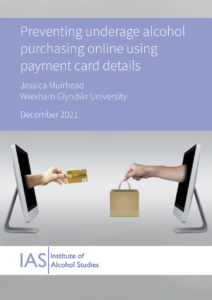
- The major increase in 24-hour licenses has been convenience stores and delivery warehouses, the latter of which facilitates rapid online delivery, which is particularly associated with harmful drinking at home.
24-hour premises by type by The Institute of Alcohol Studies
- The number of personal licences to sell alcohol in Scotland rose 45%, from 40,286 in 2012 to 58,462 in 2018.
Briefings
Publications


Blogs
Alcohol harm is not inevitable. But reducing it requires us to act differently
4th August 2026

Applying behavioural insights to cut alcohol with no- and low-alcohol drinks
30th June 2026

Could knowing about alcohol and cancer help build support for alcohol policies?
14th April 2026
Medical students and recovery communities – learning from each other
24th March 2026

Alcohol, family and change: rethinking drinking across generations in Romany Gypsy and Traveller communities
10th March 2026
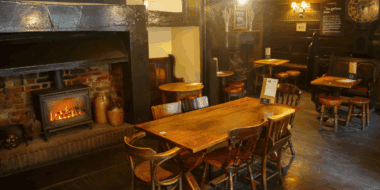
Is the Great British Pub on the verge of extinction? The truth behind the headlines
10th February 2026
Budget 2025: Alcohol duty kept with inflation, but still far from true cost
16th December 2025
Why we need a long-term vision to tackle alcohol harm in the UK
11th November 2025