
A new policy tracker from The Health Foundation has rated both the current level of ambition and progress on alcohol policy as low, in contrast with other areas of public health.
The tracker assesses government policy across a range of factors that shape health. Within the “risk factors” category, alcohol receives the weakest ratings, with ambition rated “low” and progress rated “limited”.
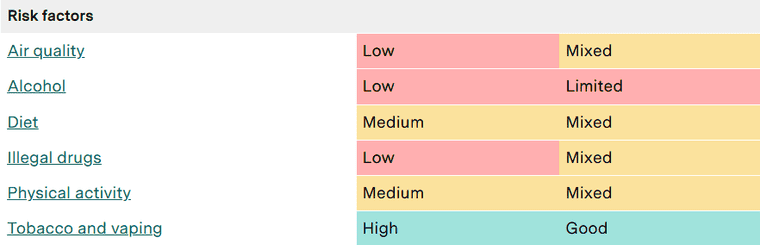
The assessment highlights several factors behind the rating:
- no national alcohol strategy, delivery plan or accountability framework;
- the absence of minimum unit pricing despite evidence from Scotland;
- alcohol duty failing to keep pace with inflation and income growth;
- lightly regulated digital alcohol marketing and inadequate labelling requirements;
- under-resourced prevention and treatment services; and
- fragmented responsibility for alcohol policy across multiple government departments.
The policy gaps identified by the tracker are closely reflected in the recommendations made in A Healthier Future: A long-term vision to tackle alcohol harm in the UK, including action on alcohol pricing, marketing, availability, treatment services and industry influence. While the evidence for effective alcohol policy is well established, successive governments have been reluctant to implement many of the population-level measures most likely to reduce harm.
The tracker concludes that alcohol policy in England has been “limited, fragmented and slow to progress”, despite strong evidence of harm and the effectiveness of population-level interventions.