
View this report
The drinking culture in Westminster has long made headlines, with reports that alcohol blurs personal and professional boundaries on the parliamentary estate and fuels inappropriate behaviour.[1] Alcohol has been cited as a frequent factor in several high-profile investigations into misconduct by MPs,[2] yet the prevalence of alcohol harm in the Westminster workplace is unknown.
If I wouldn’t operate heavy machinery or drive a car, why should I legislate the laws of the land? – MP
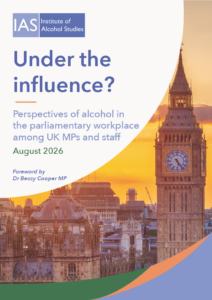
This report looks behind the curtain to explore the prevalence, perceptions, and impact of alcohol-related harm among MPs and staff working both in Westminster and constituency offices. It also looks at what support is available in the parliamentary workplace for people experiencing challenges related to alcohol. Through a survey (with 191 responses) and 22 interviews with MPs and parliamentary staff, we found that:
- Westminster is a unique workplace where alcohol is woven into the working environment. Staff members based in constituency offices were far less likely to report being offered alcohol at work meetings or events compared to staff based in Westminster and MPs, and participants also drew stark comparisons with the presence of alcohol in other workplaces.
- Alcohol harm is common, with almost one in ten (8%) survey respondents reporting a negative experience due to someone else’s drinking at work. This varied according to occupation and location, with a higher proportion of respondents based in Westminster (13% of staff members, and 9% of MPs) reporting a negative experience compared to constituency staff (6%).
- MPs and staff expressed concerns about the impact of alcohol on workplace safety, health and wellbeing, productivity and behaviour. It was reported that younger staff face additional risks due to ingrained power dynamics and increased peer pressure to drink alcohol.
- Despite broad recognition of the harmful effects of alcohol use and the wider drinking culture, some respondents acknowledged or even emphasised the positive aspects of alcohol, particularly in the context of its role in the social fabric of parliamentary life, and to de-stress from the job.
- Drivers of alcohol use on the parliamentary estate include the commercialisation of Westminster as an events venue, and the broad availability of alcohol throughout the working day at various events, as well as the on-site bars and pubs. This availability contributes to a casual attitude to drinking, where individuals are responsible for self-regulating their alcohol consumption at work, and contending with factors such as high stress and long working hours, as well as loneliness when working away from home. Alcohol was also linked to a networking culture that was deemed essential to career progression and social inclusion.
- The majority of survey respondents were unsure about whether there were sufficient support services available to people with alcohol problems in the parliamentary workplace and 70% either did not know or were unsure how to report concerns about a colleague’s drinking.
- Interviewees suggested the level of support on offer had increased and improved in recent years, but that there was more to be done. There was concern about how much support would be accessed due to the shame and stigma surrounding alcohol problems, fears of jeopardising career opportunities, and the normalised drinking culture.
- The unique structure of the parliamentary workplace also introduces complexities around who is responsible for welfare.
No other workplace I’ve had produces its own wine. – Staffer
Based on the views and recommendations provided by MPs and parliamentary staff, this report recommends the following should be incorporated in a formal parliamentary workplace policy on alcohol:
- Promote a healthier working environment by limiting the free provision of alcohol to evening events only.
- Use existing parliamentary bodies such as the Modernisation Committee to develop and implement changes to address factors associated with alcohol consumption such as high stress, loneliness and long working hours. This could include changes to late-night voting practices, increasing alcohol-free social spaces and activities, and incorporating alcohol-related support into existing mental health and wellbeing services.
- Increase the uptake of support by improving signposting and addressing stigma around alcohol. This can be supported by encouraging those with lived experiences to share their insights, champion the issue, and shape services. Support should be clearly advertised as confidential and not limited to ‘recovery’ or abstinence. Practical changes could include holding AA meetings at peak times, such as Monday evenings when MPs are waiting around for votes, and making SMART Recovery meetings available as an alternative.
- Greater communication to ensure the parliamentary workforce is equipped with knowledge of how to protect and support both themselves and colleagues from alcohol harm, including promoting awareness of the Chief Medical Officers’ low-risk drinking guidelines.
[1] Francis, S. (18 October 2023) Westminster drinking culture blamed for bad behaviour. BBC. Grylls, G. (14 September 2021). Tracey Crouch takes swipe at MPs who vote while reeking of alcohol. The Times.
[2] Independent Complaints and Grievance Scheme (2025) Annual Report 2024-25
View this report