On this page
The resources on this webpage provide information about alcohol’s impact on different demographic groups.
Alcohol is the second most widely consumed psychoactive substance in the UK (after caffeine) and is highly prevalent in personal and social situations. Nearly 30 million adult Brits say they drink alcohol, an indication of alcohol’s ubiquity and presence in so many areas of British society today.
Brits’ drinking habits have evolved over time in various ways, and have in turn affected the health of different social groups.
For example, since the year 2000, the gap between men and women’s alcohol consumption has closed markedly, the proportion of underage drinkers (defined here as those who purchase alcohol for consumption before they reach the minimum legal purchase age of 18) has receded, young drinkers’ intake (adults between 16 and 24 years of age) has become less frequent (but no less heavy), and survey data appear to show alcohol-related health issues mounting among a generation of older-aged Brits (those between 45 and 64 years of age), who appear to be relatively heavier drinkers than previous generations.
Facts and stats
The phenomenon where as the level of socioeconomic deprivation increases, so does alcohol-specific mortality, despite such groups consuming less alcohol
- Incidence rates for alcohol-related domestic violence among the most disadvantaged groups were up to 14 times higher compared with the least disadvantaged (IAS, 2020)
- 1 in 5 people in England had been harmed by others drinking alcohol over a single year. (Beynon, C. et al, 2019)
- In England, approximately 200,000 children are predicted to live with an alcohol dependent parent. (Pryce, R. et al. 2017)
- These children are six times more likely to experience domestic violence, three times more likely to consider suicide, and two or three times more likely to go on to have addiction problems themselves. (Nacoa, 2023)
- People who experience homelessness have an increased risk of problem drug and alcohol use and are at increased risk of a range of acute and chronic harms including poisoning, seizures, liver disease, cancers, assault and injuries, putting them at high risk of premature death. (Parkes et al. 2021)
- Alcohol-specific causes accounted for almost one in 10 (9.6%) of estimated deaths of homeless people registered in 2021. (ONS, 2022)
- 9% of people starting treatment for alcohol in 2021/22 reported a housing problem. (OHID, 2023)
Briefings
Reports





Blogs
Medical students and recovery communities – learning from each other
24th March 2026

Alcohol industry pushback forces Irish Government to kick health warning labels down the road
17th March 2026

Alcohol, family and change: rethinking drinking across generations in Romany Gypsy and Traveller communities
10th March 2026

European health organisations are powerless against the wine lobby
24th February 2026

Alcohol and other drugs agencies need to contribute to climate adaptation
17th February 2026
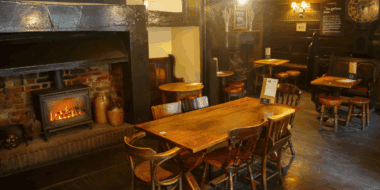
Is the Great British Pub on the verge of extinction? The truth behind the headlines
10th February 2026

“Ensure these restrictions are not enforced”: FOI documents reveal alcohol industry lobbying
2nd February 2026

Why we should have cancer warnings on alcohol
27th January 2026